Meme Coin Trading Rules That Survive Every Cycle
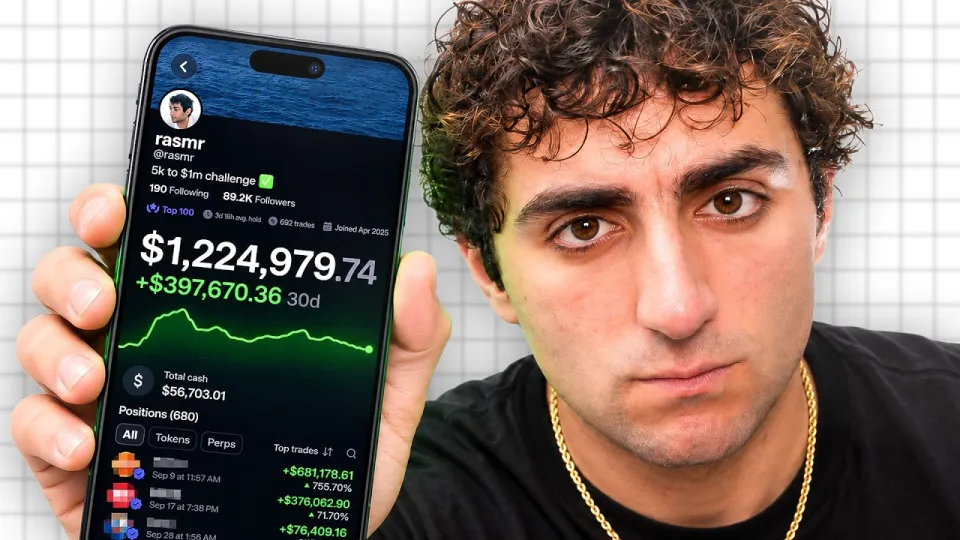
Video: 5 Years of Memecoin Knowledge in 12 Minutes
You can order the same kind of articles for your own video to boost it on YouTube and Google. Just message the Telegram bot @sat_sit_bot. Articles with your video embedded are written and posted by the bot itself — on popular topical sites (no ads). Free trial — 50 articles.
· based on the channel rasmr
A meme coin is a cryptocurrency whose value rests on attention, community and narrative rather than on revenue, cash flow or a product roadmap. Traders treat these tokens as short-lived liquidity events: you buy attention early, you sell it to later buyers, and the chart is a record of that transfer rather than a valuation. The rasmr breakdown of five years of memecoin experience makes the same point from the practical side — most outcomes are decided by discipline, not by picking the perfect ticker. If you want to trade these launches with a live interface, you can register through the FOMO trading platform.
What actually drives a meme coin price
Meme coin prices are set by the flow of new money into a thin pool, which is why a token can double on a few thousand dollars of buys and halve on a single large sell. There is no earnings report to anchor the price, so the market prices two things only: how many people are hearing about the token right now, and how much of the supply is willing to sell into that attention.
That produces a few reliable mechanics worth knowing before any trade:
- Narrative first. A token needs a story that can be explained in one line — an animal, a public figure, a cultural moment, a running joke. If the story needs a paragraph, the buyer base stays small.
- Launcher matters. Who deployed the token, whether they hold a large share, and whether they have a history of dumping into their own buyers are more informative than any indicator on a one-hour chart.
- Liquidity is the ceiling. A pool with a few thousand dollars of liquidity cannot absorb a serious exit without moving the price against you. Check the pool before you check the chart.
- Supply distribution decides the rug risk. A single wallet holding a large percentage of supply can end the trade whenever it wants.
Why emotions cost more than bad picks
The most expensive meme coin mistake is not choosing the wrong token — it is letting hope and excitement override a plan that was already correct. The pattern repeats across every cycle: a trader buys, the chart drops, and instead of accepting the loss they average down hoping for a bounce; or the position runs 50–100% and they hold for more, then watch the whole gain disappear on the way back down.
Both behaviours come from the same root: the position size is large enough that the outcome feels personal. Two rules fix most of it.
- Size so that a total loss is boring. If losing the whole position would change your month, the position is too big for a token with no fundamentals.
- Decide exits before entry. Write down the market cap where you take initial capital out and the level where you cut. A plan made before the candle turns green is the only plan that survives the candle turning green.
Reading market cap instead of token price
Market cap, not the price of a single token, is the number that tells you how much room is left in a meme coin trade. A token trading at a fraction of a cent can already carry a nine-figure valuation, and a token priced in whole dollars can be tiny — the per-unit price says nothing about upside.
A practical way to use it:
- Note the market cap at launch and the market cap of the sector leader the token is imitating.
- Estimate how much of that leader's valuation the new token could realistically capture given its narrative strength and the number of buyers currently aware of it.
- Set your first partial exit well below that estimate, because late buyers are the ones who fund your profit and they arrive in a narrow window.
- Treat the moment when the first large holders start selling into the volume as your signal to reduce, not to add.
This is also where most round trips happen: a token reaches a valuation that already looks ambitious, the holder sees green candles and assumes more is coming, and the supply that was waiting for exactly that liquidity takes the exit instead.
Questions traders ask before buying a launch
Most of the doubts around meme coins are not technical — they are about whether a specific launch deserves capital. A short checklist answers them faster than any indicator.
- Who released the token, and what is the narrative? The launcher's track record and the one-line story are the two inputs that decide whether attention will arrive.
- Is the liquidity locked or at least visible? If you cannot see the pool, you cannot judge the exit.
- How concentrated is the supply? A handful of wallets holding most of the float is a countdown, not a chart setup.
- What is the realistic market cap ceiling? Compare with similar tokens that already ran; if the current valuation is already near that ceiling, the trade is finished before it starts.
- Can you survive a full loss on this position? If not, the size is wrong regardless of how good the narrative looks.
There is also a structural point worth stating plainly: the earliest buyers in a launch are usually organised groups who hear about the token before the public does. You will rarely be first, so the goal is not to beat them — it is to avoid being the liquidity they exit into.
Risk management for tokens with no fundamentals
Risk management in meme coins is mostly about assuming the worst outcome is normal rather than exceptional. Tokens can be abandoned, liquidity can be pulled, and a launch can simply fail to attract buyers — none of these are rare events, so each one must be priced into the position before entry.
Practical measures that hold up across cycles:
- Take initial capital out at the first strong move. A position that has returned your stake can no longer hurt you, and that changes every later decision.
- Scale out in tranches. Selling 100% at one price requires a perfect call; selling in pieces only requires the price to be higher than your entry at some point.
- Never add to a losing meme coin position. Averaging down works for assets with cash flows and a valuation floor; a narrative token has neither.
- Keep a written record of each trade. Entry market cap, exit market cap, and the reason for both. After a few dozen trades the pattern in your own behaviour is more valuable than any external signal.
- Separate trading capital from holdings. Money in majors and money in launches should never be the same pool, or a bad week in one forces decisions in the other.
Useful links
Final takeaway
The meme coin market rewards speed of attention and punishes speed of emotion, and the traders who last are the ones who size small, plan exits before entry, and read market cap instead of price. Five years of experience compresses into a short list: know who launched the token, know the narrative, know the ceiling, take your capital back early, and never let a green candle rewrite a plan you made calmly. The rasmr channel is where this breakdown comes from, and its core message is that the edge is behavioural rather than analytical. Start with a position you can afford to lose entirely, and the rest of the process becomes a matter of repetition rather than hope. If you want to put these rules into practice, you can sign up on FOMO through this link.
Key takeaways
- Meme coins are narrative-driven tokens: price is set by attention and liquidity flow, not by cash flow or earnings.
- The most common loss pattern is emotional: averaging into a losing chart, round-tripping a 50–100% gain, and buying the top out of excitement.
- Market cap, not price per token, is the reference point for judging upside and planning exits.
- Who launched a token and which narrative it rides matter more than the chart shape in the first hours.
- Position sizing and pre-set exit levels are the only reliable defence against greed and hope.
Questions & answers
What is a meme coin in simple terms?
A meme coin is a cryptocurrency built around a joke, a character or a cultural moment rather than a product or revenue stream. Its price depends on how much attention and new money arrives, which makes it highly volatile and driven by narrative rather than fundamentals.
How do I know when to sell a meme coin?
Set exit levels before you buy, based on market cap rather than token price. Take your initial capital out on the first strong move and scale out in tranches as the valuation approaches a level similar tokens have historically reached. Waiting for a perfect top usually turns a large gain into a round trip.
Why do most meme coin traders lose money?
The dominant cause is emotional decision-making rather than bad token selection. Traders average down into falling charts, hold 50–100% gains for more, and buy tops out of excitement. Oversized positions make those reactions almost automatic, so position sizing is the first fix.
What should I check before buying a new launch?
Check who launched the token and their history, whether the narrative can be explained in one line, how concentrated the supply is, and how much liquidity sits in the pool. Then compare the current market cap with the ceiling reached by similar tokens to see whether any upside remains.
Source: 5 Years of Memecoin Knowledge in 12 Minutes · Markdown version